Antistatic working disk
Antistatic Working Disk for Electronic Components and Precision Parts
An antistatic working disk is designed to hold, organize, protect, transport, and process electronic components and other static-sensitive products during manufacturing and assembly. Compared with ordinary plastic trays, antistatic working disks are made from materials specifically selected or treated to help control static electricity, making them suitable for electronic components, IC manufacturing, D-RAM, precision instruments, and other applications where electrostatic discharge may affect product quality.
WELL CHSIEN provides customized vacuum-formed working disks for industrial and electronic applications. Depending on the application, product dimensions, required surface resistance, handling process, and packaging environment, working disks can be manufactured in different materials, shapes, cavity configurations, thicknesses, and sizes.
Antistatic working disks are also commonly referred to as antistatic trays, electronic working disks, electronic component trays, ESD trays, vacuum formed trays, or TRAY disks. The appropriate design depends on the component being handled and the customer's production and packaging requirements.
What Is an Antistatic Working Disk?
An antistatic working disk is a specially designed plastic tray used to accommodate components during production, inspection, assembly, storage, and transportation.
Electronic components can be sensitive to electrostatic discharge. Static electricity may be generated during handling, movement, friction, packaging, or transportation. For manufacturers handling sensitive electronic parts, selecting appropriate packaging and handling materials is therefore an important part of the production process.
Antistatic materials are used to help reduce the accumulation of static electricity on the surface of the working disk. Depending on the required application, different material formulations and resistance ranges can be selected.
WELL CHSIEN manufactures customized working disks using vacuum forming technology. The shape and cavity arrangement can be developed according to the dimensions and geometry of the customer's components, helping keep products properly positioned during handling and transportation.
Antistatic Working Disk Materials
Different materials provide different physical and electrical characteristics. PET and PS are among the materials that can be used for electronic working disks.
| Material / Type | Typical Appearance | Surface Resistance* | Typical Application |
|---|---|---|---|
| Antistatic PET | Usually transparent | 10¹⁰–10¹² Ω | Electronic components, precision parts and applications where product visibility is useful |
| Conductive PS | Usually black | 10⁴–10⁶ Ω | Electronic components requiring conductive packaging or handling |
| Customized Material | Depends on specification | According to project requirements | OEM/ODM electronic component handling and packaging |
*Resistance values are based on the material information provided for the existing product. Actual specifications should be confirmed according to the material, production batch, product design, and customer requirements before ordering.
Antistatic Working Disk Applications
Antistatic working disks can be used throughout different stages of electronic component manufacturing, including production, assembly, inspection, temporary storage, internal transfer, and final packaging.
Typical applications include:
-
IC manufacturing
-
Electronic components
-
D-RAM components
-
Semiconductor-related parts
-
Precision instruments
-
Electronic assembly
-
Factory production lines
-
Component storage and transportation
-
Dust-sensitive components
-
Customized industrial parts
The working disk can be designed according to the component shape so that each item has an appropriate positioning cavity. This helps improve organization and can reduce unnecessary movement or contact between individual components.
Antistatic Working Disk vs. Ordinary Plastic Tray
Selecting a tray should not depend only on dimensions. The electrical characteristics of the material and the sensitivity of the product should also be considered.
| Comparison | Antistatic Working Disk | Ordinary Plastic Tray |
|---|---|---|
| Static Control | Designed for static-sensitive applications | Usually not specifically designed for ESD control |
| Electronic Components | Suitable when the specified electrical properties match the application | May not be suitable for sensitive components |
| Custom Cavities | Available | Available |
| Material Selection | PET, PS and other project-specific materials | Common packaging plastics |
| Production-Line Use | Suitable for customized electronic handling applications | General handling and packaging |
| OEM/ODM | Available | Depends on manufacturer |
| Component Positioning | Can be customized | Can be customized |
For electronic applications, customers should confirm the required material, surface resistance, component dimensions, production environment, and handling process before selecting a working disk.
Why Use Customized Antistatic Working Disks?
Electronic components are available in many shapes and dimensions. A generic tray may not provide suitable positioning for every component.
A custom antistatic working disk can be developed around the actual product dimensions and handling requirements. The cavity depth, spacing, quantity, edge design, stacking requirements, and overall tray dimensions can be adjusted according to the customer's application.
Customization can provide several practical advantages:
Better component positioning: Each cavity can be designed according to the product dimensions and shape.
Improved handling: Organized cavity arrangements can make components easier to identify, count, handle, and transfer during production.
Reduced component movement: A properly designed cavity helps limit unnecessary movement during handling and transportation.
Production-line compatibility: Overall tray dimensions and layouts can be designed according to the customer's operating process.
Material selection: PET, PS, antistatic, or conductive materials can be evaluated according to application requirements.
Antistatic Working Disk Selection Guide
Before requesting a quotation or developing a customized working disk, customers should prepare as much product information as possible.
| Selection Item | Information to Confirm |
|---|---|
| Component | Product name and application |
| Dimensions | Length × width × height |
| Quantity | Required number of cavities per tray |
| Material | PET, PS or specified material |
| Static Requirement | Required surface resistance or ESD specification |
| Tray Size | Required overall dimensions |
| Thickness | Based on component weight and handling requirements |
| Appearance | Transparent, black or other specified appearance |
| Stacking | Whether trays need to be stackable |
| Production Process | Manual handling or production-line use |
| Packaging | Internal transport, storage or shipment |
| Customization | OEM / ODM requirements |
Providing drawings, product dimensions, samples, photos, or other technical information can help the manufacturer evaluate the appropriate working disk structure.
Vacuum Formed Antistatic Working Disk Manufacturing
Vacuum forming is suitable for manufacturing customized plastic trays with repeatable cavity structures. A plastic sheet is heated and formed over a mold to create the required geometry.
For an antistatic working disk, the design process should consider more than the external dimensions of the tray. Component geometry, cavity depth, removal space, tray strength, material properties, stacking, and production handling can all influence the final design.
WELL CHSIEN has more than 30 years of experience in vacuum-formed products and manufactures working disks, vacuum covers, linings, packaging boxes, and other customized plastic products.
For customers developing a new electronic component tray, providing an actual sample or detailed drawing can help determine an appropriate tray configuration.
OEM and ODM Antistatic Working Disk
WELL CHSIEN accepts OEM and ODM antistatic working disk projects.
Customized designs can be developed according to customer requirements, including product dimensions, cavity configuration, tray dimensions, material, appearance, and other production specifications.
This makes customized working disks suitable for manufacturers that require trays specifically designed around their electronic components or production processes.
Customers can provide:
-
Product samples
-
2D drawings
-
3D drawings
-
Product dimensions
-
Required tray dimensions
-
Quantity per tray
-
Material requirements
-
Surface resistance requirements
-
Photos or reference samples
-
Estimated order quantity
The final material and structural design should be confirmed according to the actual application.
Antistatic Working Disk Specifications at a Glance
| Item | Available / Typical Specification |
|---|---|
| Product | Antistatic working disk |
| Product Type | Electronic working disk / ESD tray / TRAY disk |
| Manufacturing Process | Vacuum forming |
| Materials | PET, PS and project-specific materials |
| PET Appearance | Usually transparent |
| PS Conductive Appearance | Usually black |
| Antistatic PET Surface Resistance | Approx. 10¹⁰–10¹² Ω* |
| Conductive PS Surface Resistance | Approx. 10⁴–10⁶ Ω* |
| Custom Size | Available |
| Custom Cavity | Available |
| OEM | Available |
| ODM | Available |
| Typical Applications | IC, D-RAM, electronic components, precision instruments |
*Values shown are based on the current product information. Please confirm the required specification before production.
How to Request a Customized Antistatic Working Disk
When requesting a quotation, provide the component dimensions, material requirement, required quantity per tray, and expected application.
If the product is sensitive to static electricity, also provide the required surface resistance or relevant ESD specification.
For custom projects, physical samples or detailed drawings are particularly useful because the working disk can then be designed according to the actual shape of the component.
Contact WELL CHSIEN to discuss custom antistatic working disks, electronic component trays, conductive working disks, and vacuum formed trays for your production and packaging requirements.
Frequently Asked Questions About Antistatic Working Disks
What is an antistatic working disk?
An antistatic working disk is a plastic tray designed for handling, positioning, storing, or transporting electronic components and other products that may require static-control measures. The tray can be customized according to the dimensions and shape of the component.
What is an antistatic working disk used for?
Typical applications include IC manufacturing, D-RAM, electronic components, precision instruments, production-line handling, component storage, and transportation. The exact application depends on the material and electrical characteristics specified for the tray.
What materials are available for antistatic working disks?
PET and PS are available options for the current product range. Material selection should be based on the required electrical characteristics, transparency, mechanical requirements, component type, and production environment.
What is the surface resistance of an antistatic PET working disk?
According to the current product specifications, antistatic PET material has a surface resistance of approximately 10¹⁰–10¹² Ω. Actual requirements should be confirmed before production.
What is the surface resistance of conductive PS?
The current product information lists conductive PS at approximately 10⁴–10⁶ Ω. Conductive PS is typically black. Customers should specify their required resistance range when requesting a customized tray.
Can an antistatic working disk be customized?
Yes. The tray dimensions, cavity arrangement, cavity depth, material, thickness, appearance, and other structural characteristics can be customized according to the component and production requirements.
Can you manufacture antistatic working disks from customer samples?
Yes. For customized projects, customers can provide physical samples, drawings, dimensions, photos, or other technical information for evaluation.
Are OEM and ODM services available?
Yes. OEM and ODM manufacturing are available for customized working disks. Customers can provide their original design or discuss a new tray configuration according to their product requirements.
What information is needed for a quotation?
It is recommended to provide product dimensions, drawings or samples, required quantity per tray, tray dimensions, material requirements, static-control requirements, estimated order quantity, and any special production or packaging requirements.
What is the difference between an antistatic tray and a conductive tray?
The primary difference is their electrical behavior and resistance range. An antistatic material is designed to help control static accumulation, while conductive materials provide a lower-resistance path. The appropriate option depends on the sensitivity of the component and the customer's ESD-control requirements.
Can antistatic working disks be used on production lines?
They can be designed for production-line handling. Tray dimensions, cavity arrangement, stacking structure, and component orientation should be discussed during development so that the design matches the intended handling process.
Are antistatic working disks suitable for semiconductor components?
They can be used for semiconductor and IC-related applications when the selected material, surface resistance, dimensions, and design satisfy the component manufacturer's handling requirements. Customers should provide the relevant ESD specification when requesting a customized product.
Why choose a custom vacuum formed working disk?
A custom vacuum formed working disk can be designed around the actual component geometry. This allows manufacturers to determine cavity quantity, spacing, depth, tray dimensions, material, and other characteristics according to their production and packaging requirements.
Related Products and Internal Linking
For customers comparing different electronic component handling solutions, please also see our Electronic Working Disk products for customized component positioning and production-line handling.
For applications requiring lower-resistance materials, visit our Conductive Working Disk page to learn more about conductive tray solutions.
You can also explore our TRAY Disk products for additional customized vacuum-formed component packaging and handling options.
For information about materials and production technology, read What Is Vacuum Forming? and our guide to PET, PVC, PS and PP Material Applications.
Recommended Meta Description
Antistatic working disk manufacturer offering custom PET and PS electronic trays for IC, D-RAM and precision components. OEM/ODM vacuum formed ESD working disks available.
Recommended SEO Title
Antistatic Working Disk | Custom ESD Electronic Tray Manufacturer
Recommended Image ALT Text
-
Antistatic working disk for electronic components
-
Custom antistatic working disk manufacturer
-
PET antistatic working disk for IC components
-
Antistatic electronic component tray
-
Custom ESD working disk for electronics
-
Vacuum formed antistatic working disk
-
Electronic antistatic tray for IC manufacturing
-
Custom PET antistatic working tray
-
Antistatic working disk OEM manufacturer
-
ESD working disk for precision electronic components
Recommended Image Title / Tag Text
-
Antistatic Working Disk
-
Custom Antistatic Working Disk
-
Electronic Component Working Disk
-
PET Antistatic Tray
-
ESD Electronic Working Tray
-
Vacuum Formed Working Disk
-
Antistatic Electronic Tray
-
IC Component Working Disk
-
OEM Antistatic Working Disk
-
Custom Electronic Component Tray
Suggested Internal-Link Anchor Text
Antistatic working disk
Electronic working disk
Conductive working disk
Custom electronic component tray
Vacuum formed electronic tray
TRAY disk manufacturer
PET antistatic tray
ESD working tray
Vacuum forming manufacturer
PET, PS and PP material applications
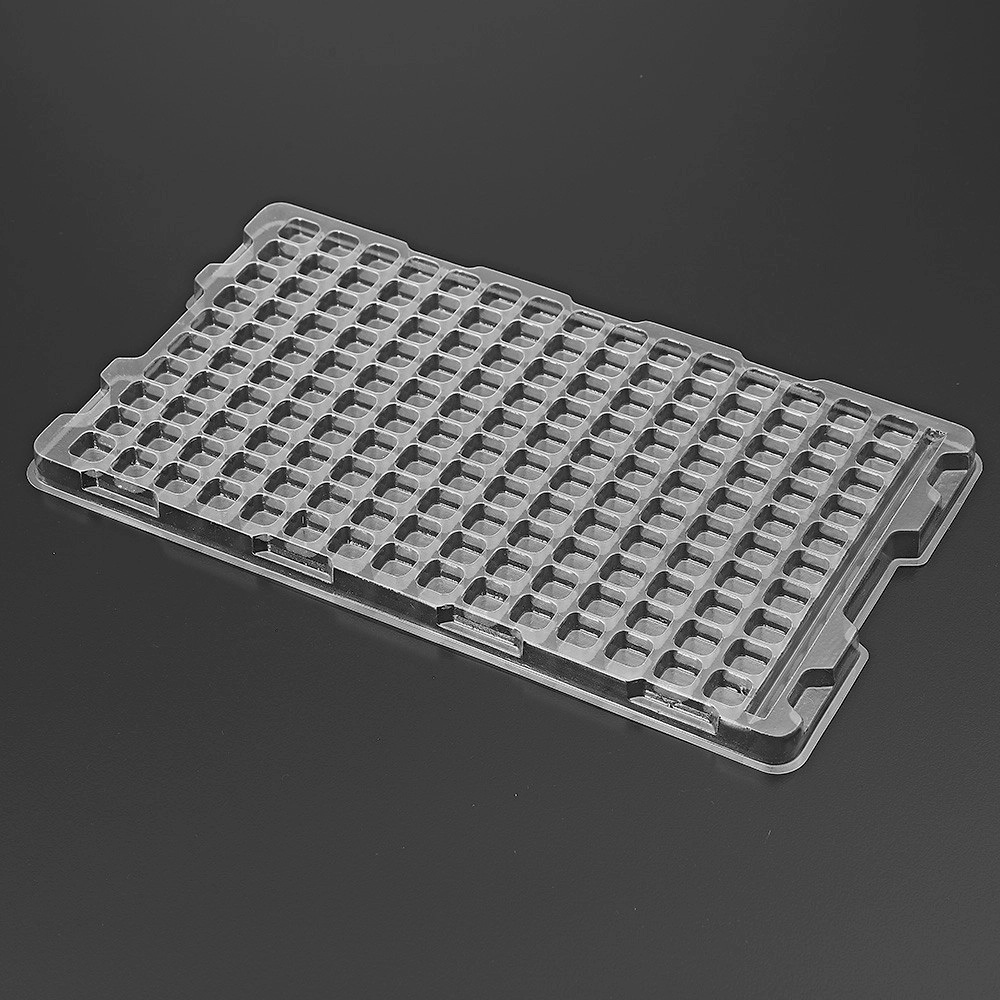 Antistatic Working Disk for Electronic Components Custom vacuum formed working disk designed for electronic component positioning, handling, storage, and transportation.
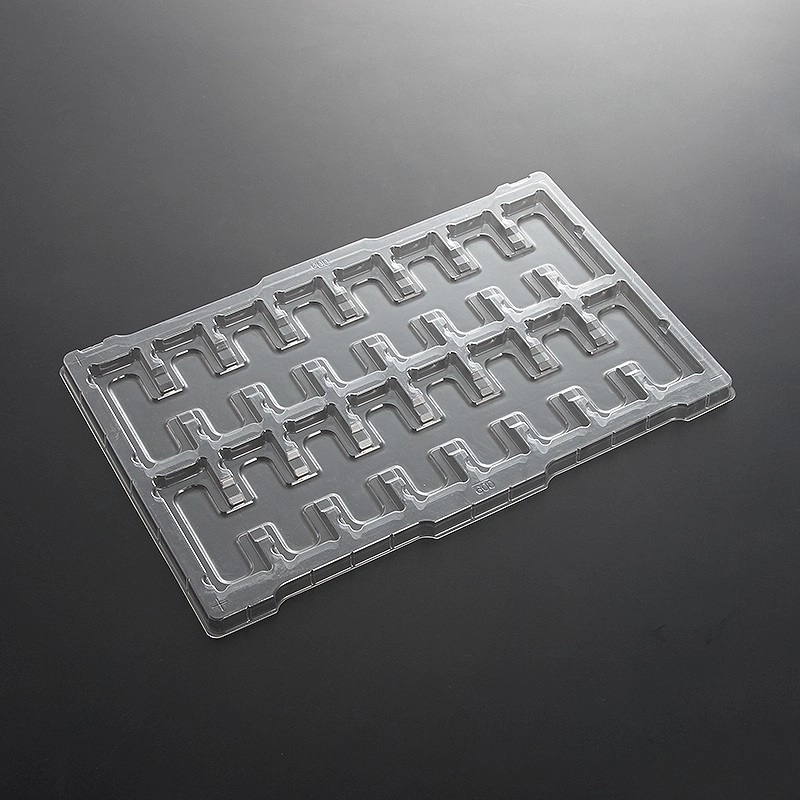 Custom Antistatic Working Disk
Antistatic Working Disk – Actual Product Example
This antistatic working disk is designed for the handling, storage, and transportation of electronic components and precision parts. The tray size, cavity layout, material, thickness, and surface resistance can be customized according to specific product and production requirements.
WELL CHSIEN provides custom antistatic working disks, ESD trays, electronic component trays, and vacuum formed trays for IC, D-RAM, semiconductor-related components, precision electronic parts, and industrial applications. OEM and ODM services are available.